A ‘dynamite’ conversation about NORAD
Or, we need to talk

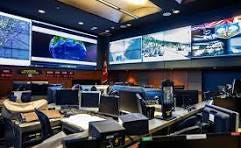
We don’t talk about NORAD and its future. We just assume it. We need to have a conversation because the future is changing and not immutable. It will be 70 years of NORAD history, come 2027. But that seventy years does not dictate the future.
The literature on NORAD is astonishingly thin. There are, in essence, two, go-to, primers. One was published by a US academic, Joe Jockel, in 2007--Joseph T. Jockel, Canada in NORAD, 1957-2007: A History (McGill-Queen’s UP, 2007). It covers the history of NORAD from its foundations in the 1950s through to 2007. It is a deeply researched and fact-based book. It also lacks a conclusion.
The more recent primer is a book co-authored by two Canadian defence academics, Andrea Charron and James Fergusson, from the University of Manitoba. The book is entitled, NORAD: In Perpetuity and Beyond (McGill-Queen’s University Press, 2022). It is, like Jockel’s, a learned account, but the title is also a give-away. The authors are firmly convinced about a deterministic dynamic built into NORAD that will ensure the ultimate goal of full continental defence integration between Canada and the U.S. The book, to be fair, was published well before the return of Donald Trump to the U.S. Presidency.
In an age of very different threats from those that prompted the creation of NORAD—no longer the manned bomber attack, but new threats from cruise missiles, long range drones, cyber aggression, space platforms, and hybrid warfare instruments, we need to have the conversation about NORAD. In the new age of a changing U.S. polity and the drives of the Trump administration, we need to have the conversation.
I was stimulated to write about NORAD by the Netflix movie directed by Kathryn Bigelow, “A House of Dynamite.” If you haven’t watched it, you should. It’s a thriller centred on a surprise ICBM attack and a clock-ticking U.S. response (ultimately left off-screen). It got me thinking about NORAD because NORAD was erased from the film, along with any reference to Canada as collateral damage.
The result is a just-published essay in The Walrus. It’s not behind a pay wall and you can find it here:
“Why Canada needs to walk away from NORAD” June 22, 2026
https://thewalrus.ca/why-canada-needs-to-walk-away-from-norad/
The title is provocative. I hope it will start a conversation, at least a question, in your own mind.
Little known story you might follow up. During 9/11 the US NORAD Commander had, to say the least, serious issues running the air response. His staff realized this and convinced him to return to his office, and his Canadian deputy took over. Eric (Rick) Findley ran the operation for the next few days. The NORAD headquarters building, to be politically correct, was named after the US commander but also in recognition of his leadership, after Rick, so the Eberhart-Findley building - as far as I’m aware the only US military building named after a foreigner. When Trump says they don’t need us Americans need to be reminded of events like this.
All interesting comments. Much appreciated.